


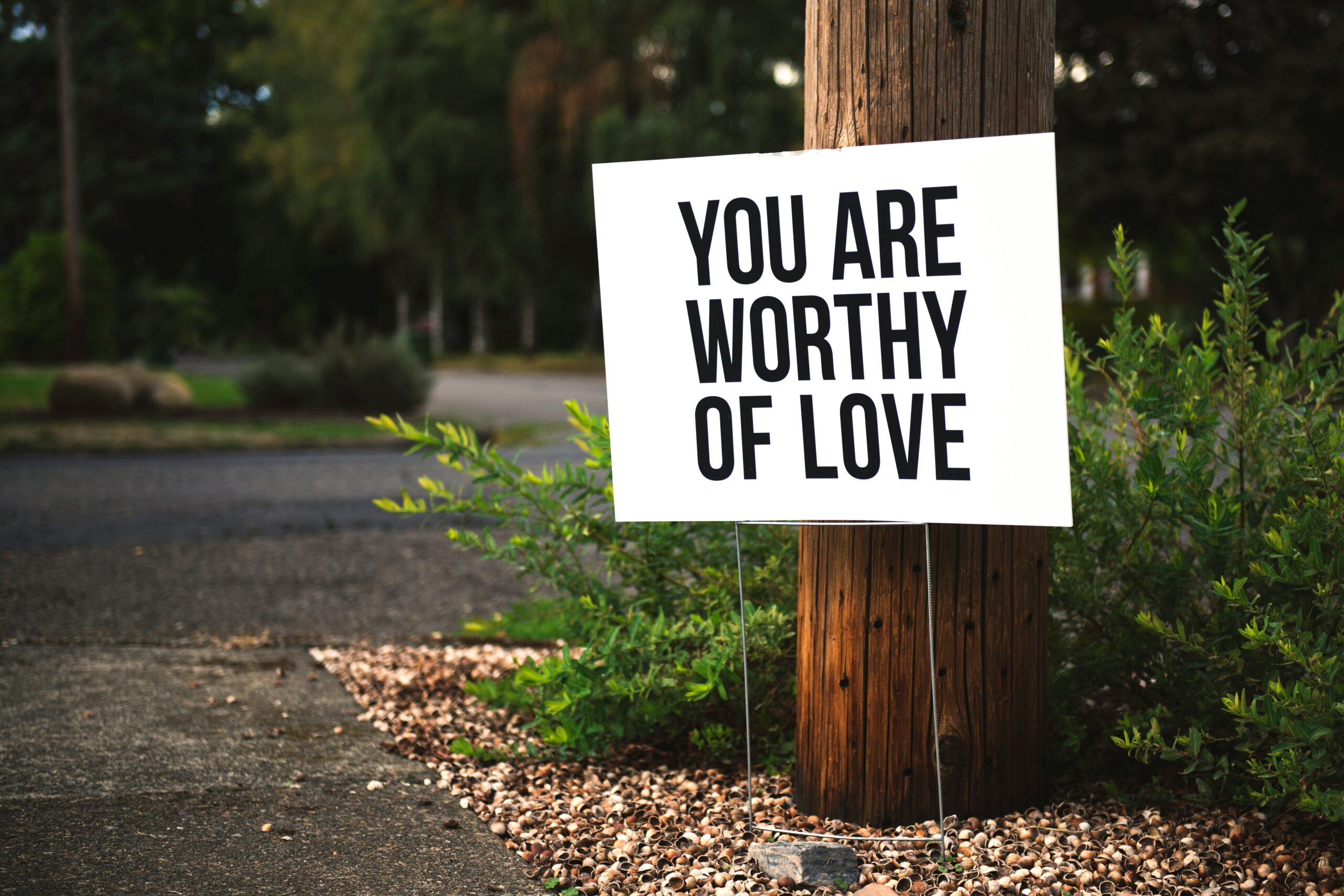



You’ve probably heard the terms self-esteem and self-worth used interchangeably. But when you look at self-esteem vs self-worth more closely, they’re actually two very different things. And understanding the difference can change the way you see yourself.
What Is Self-Esteem?
Self-esteem is how you evaluate yourself based on what you do and what others think of you. It’s tied to your achievements, your performance, and external feedback.
When you get a compliment at work, your self-esteem goes up. When you make a mistake or receive criticism, it can take a hit. Self-esteem is constantly changing based on what’s happening around you.
Key characteristics of self-esteem:
- Driven by outside factors like praise, failure, and comparison
- Changes frequently based on your circumstances
- Tied to achievements, roles, and status
Healthy self-esteem can boost your confidence and motivation. But when it depends too heavily on what others think, it becomes fragile. And fragile self-esteem leads to self-doubt and insecurity.
What Is Self-Worth?
Self-worth is different. It’s the deep belief that you are valuable simply because you exist. Not because of what you’ve accomplished. Not because of what others think of you. Just because you are you.
Self-worth doesn’t go up or down based on your wins and losses. It stays steady. It’s the quiet, stable sense that you matter — no matter what.
Key characteristics of self-worth:
- Comes from within, not from outside validation
- Stays consistent even through failure or criticism
- Not dependent on achievements or anyone else’s opinion
When your self-worth is strong, you bounce back from setbacks more easily. You treat yourself with compassion. And you build deeper, more genuine connections with others.
Why Does the Difference Matter?
When you think about self-esteem vs self-worth, the stakes become really clear. If your sense of value is tied only to self-esteem, your confidence becomes conditional. You feel good when things go well. You feel worthless when they don’t. This creates a cycle of constantly seeking approval and dreading failure.
But when you build self-worth, you create a solid foundation. You stop needing external validation to feel okay. You can face challenges without your entire sense of self being on the line.
A strong sense of self-worth also improves your relationships. When you know your own value, you set better boundaries, communicate your needs more clearly, and show up more authentically with the people in your life.
You Can Build Both
Self-esteem and self-worth aren’t opposites. You can — and should — work on both. Together, they create a balanced, grounded sense of self that is both confident and secure.
To build self-worth:
- Practice self-compassion, especially when you make mistakes
- Challenge negative self-talk and replace it with kinder, more honest thoughts
- Embrace who you actually are instead of comparing yourself to others
- Prioritize self-care that genuinely nurtures your well-being
To build healthy self-esteem:
- Set realistic goals that align with your values and go after them
- Learn from feedback without letting it define your worth
- Celebrate your wins — big and small
The Bottom Line
Understanding self-esteem vs self-worth is one of the most important steps you can take toward building a healthier relationship with yourself. Self-esteem fluctuates. It goes up when things go well and down when they don’t. Self-worth is steady. It’s the unwavering belief that you are enough, just as you are.
When you understand the difference — and actively work on both — you build a sense of self that doesn’t crumble under pressure. You become more resilient, more compassionate with yourself, and more capable of creating a life that actually feels good.
If self-esteem or self-worth is something you struggle with, you don’t have to figure it out alone. Individual therapy and life coaching at Centered Wellness can help you build the confidence and clarity you deserve. Book a free 15-minute phone consultation today.


+ show Comments
- Hide Comments
add a comment